Co-creation with purpose
We combine our autonomy expertise with the customer's domain knowledge to solve concrete operational problems that help keep businesses and society going.
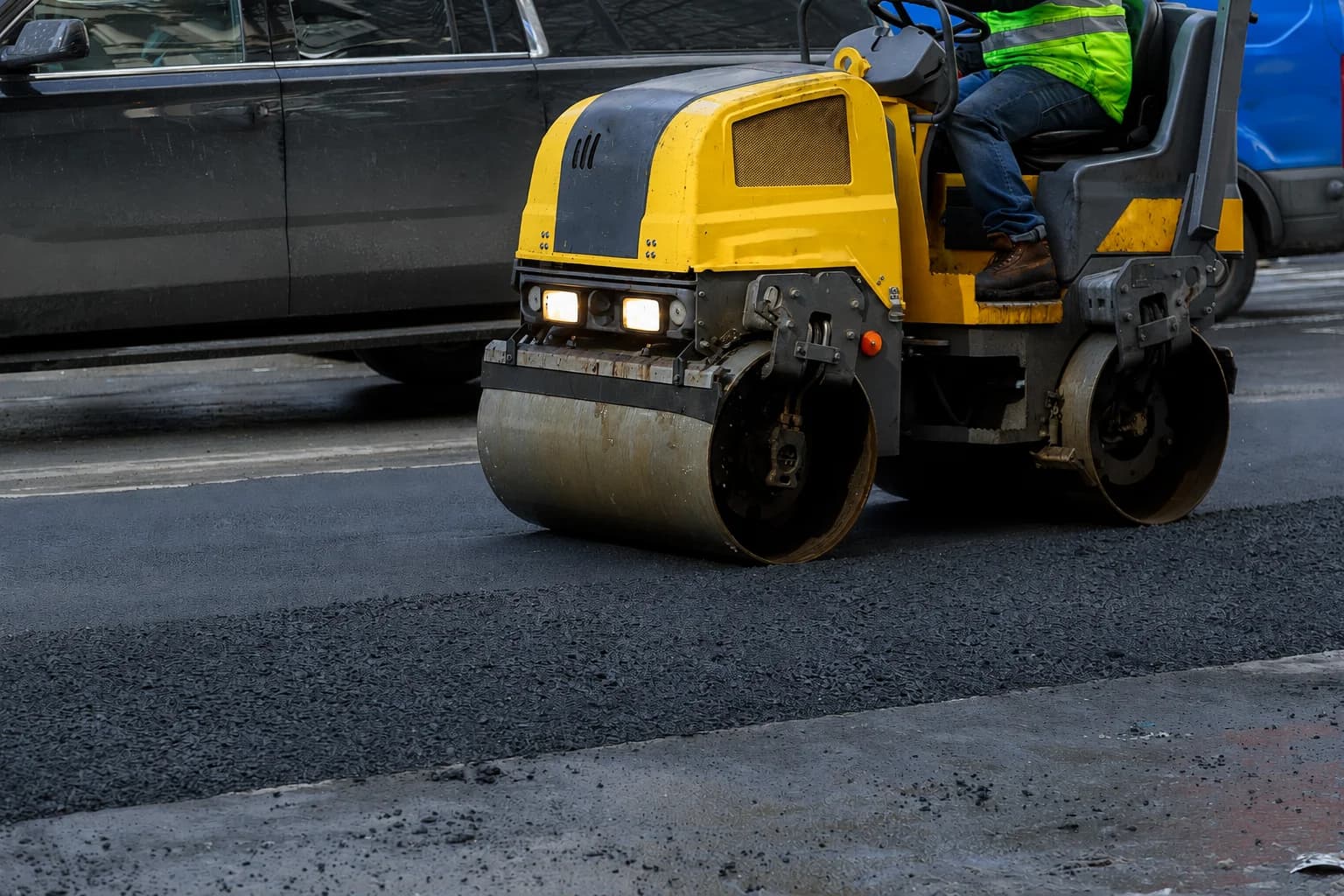
Autonomy where it matters most
We make machines work on their own. Not in the lab, but in the operations that keep society running. On the roads, in the fields and on the sites where the work never stops.
We help leading companies put autonomous machines to work in real-world conditions. Our proven autonomy system brings perception, localisation, planning and control, reducing development risk and speeding up deployment. From first prototype to fleets in the field.
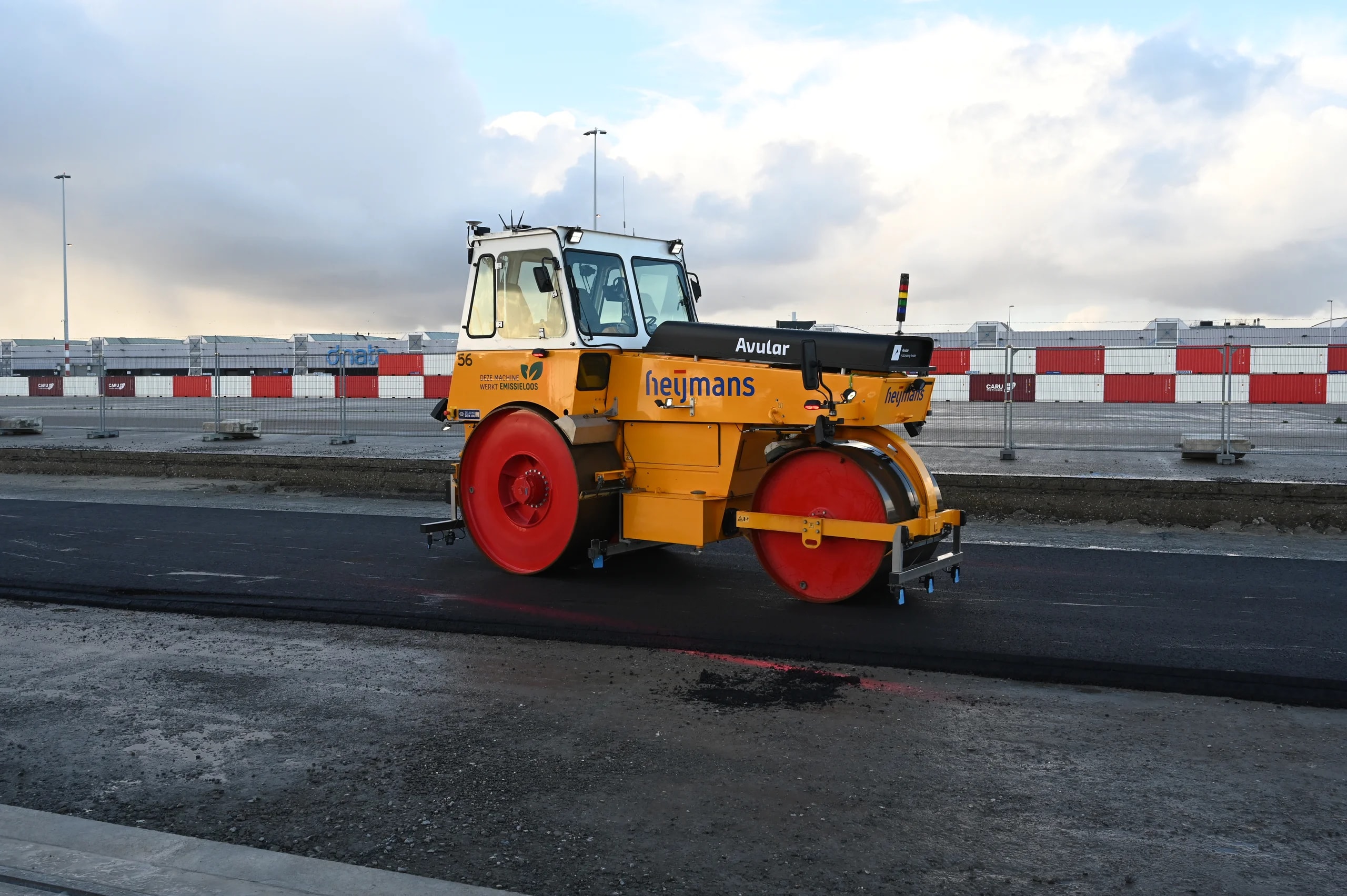
Keep critical work going despite labour shortages. We bring proven autonomy to the machines you already run.
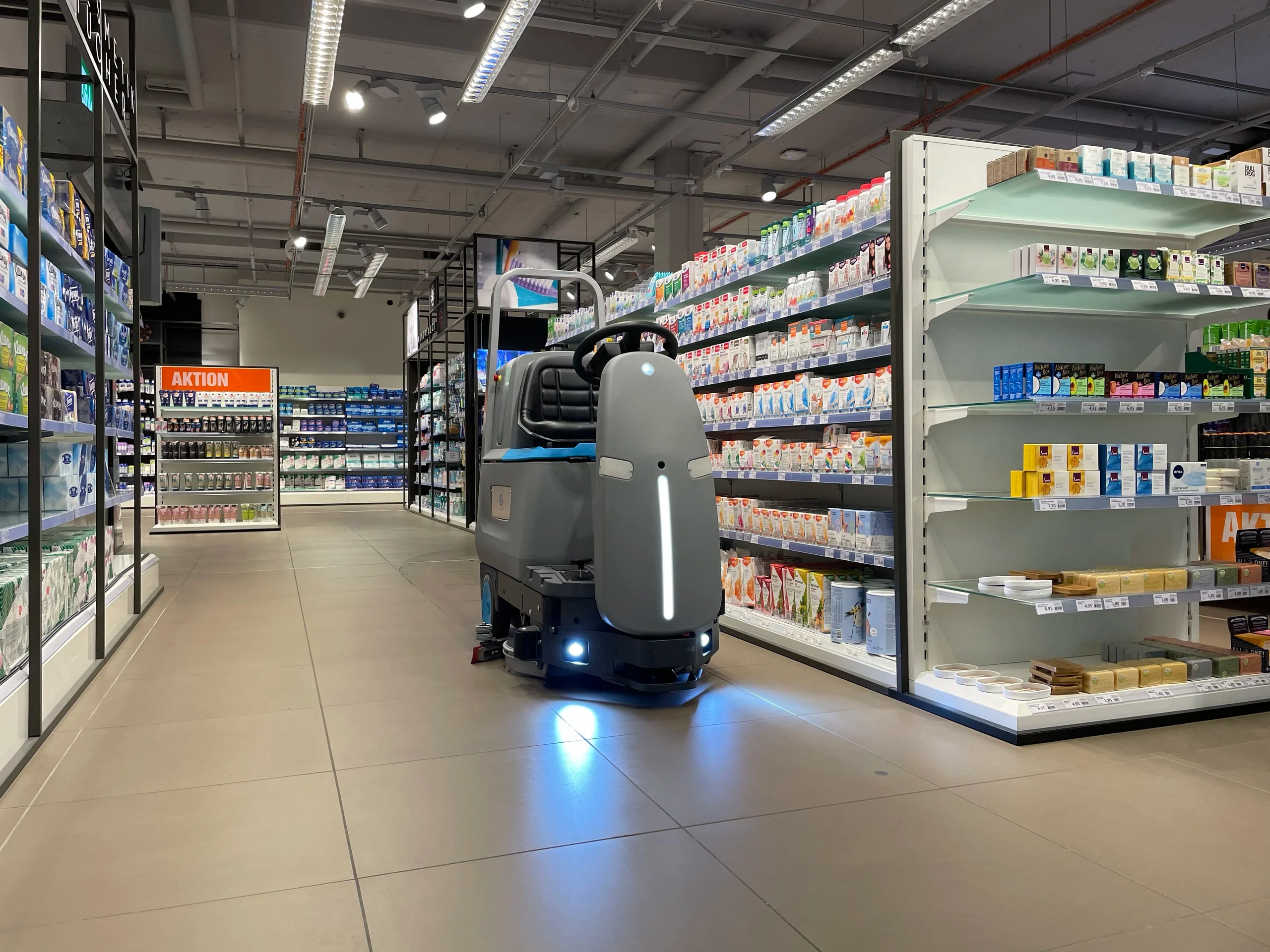
Turn autonomy into new revenue. We help you open up new applications and business models on top of the machines you already build, you keep the product and the customer, we bring the autonomy.
Identify the highest-value autonomy opportunity and define the business case.
Define the concept and integration architecture.
Develop and validate the required autonomy capabilities.
Prove the solution in a controlled environment.
Roll out across platforms, product lines, or installed base.






Making a machine autonomous typically requires a combination of localization, perception, navigation, path planning, machine control, safety systems, user interfaces and connectivity. The required technology depends on the machine, environment, task and desired level of autonomy.
Yes. Avular develops autonomy solutions that can be integrated into existing machines and vehicles. This can allow manufacturers and operators to add autonomous functionality without having to develop an autonomy stack from scratch.
Yes. Avular can work from an early development stage to define the autonomy architecture and subsequently develop the required hardware and software for the new application.
Autonomy can be applied to many types of mobile machines, including construction equipment, site maintenance machines, industrial vehicles, drones, logistics equipment and specialized machines. The feasibility depends on the machine, use case, operating environment and safety requirements.
An autonomy stack is the combination of hardware (computers, sensors and actuators) and software blocks required for an autonomous machine to perceive its environment, determine its position, plan movements and safely execute tasks.
Yes. Depending on the environment, autonomous machines can use technologies such as 2D/3D LiDAR SLAM, visual SLAM and other localization techniques to operate where GNSS/GPS is unavailable or unreliable.
The cost depends heavily on the machine, autonomy requirements, safety concept, sensors, computing hardware, software and production volumes. Avular typically starts by assessing the application and defining the required autonomy architecture before determining the development effort and investment.
Curious where applied autonomy could work for you? Get in contact with our engineers and find out.