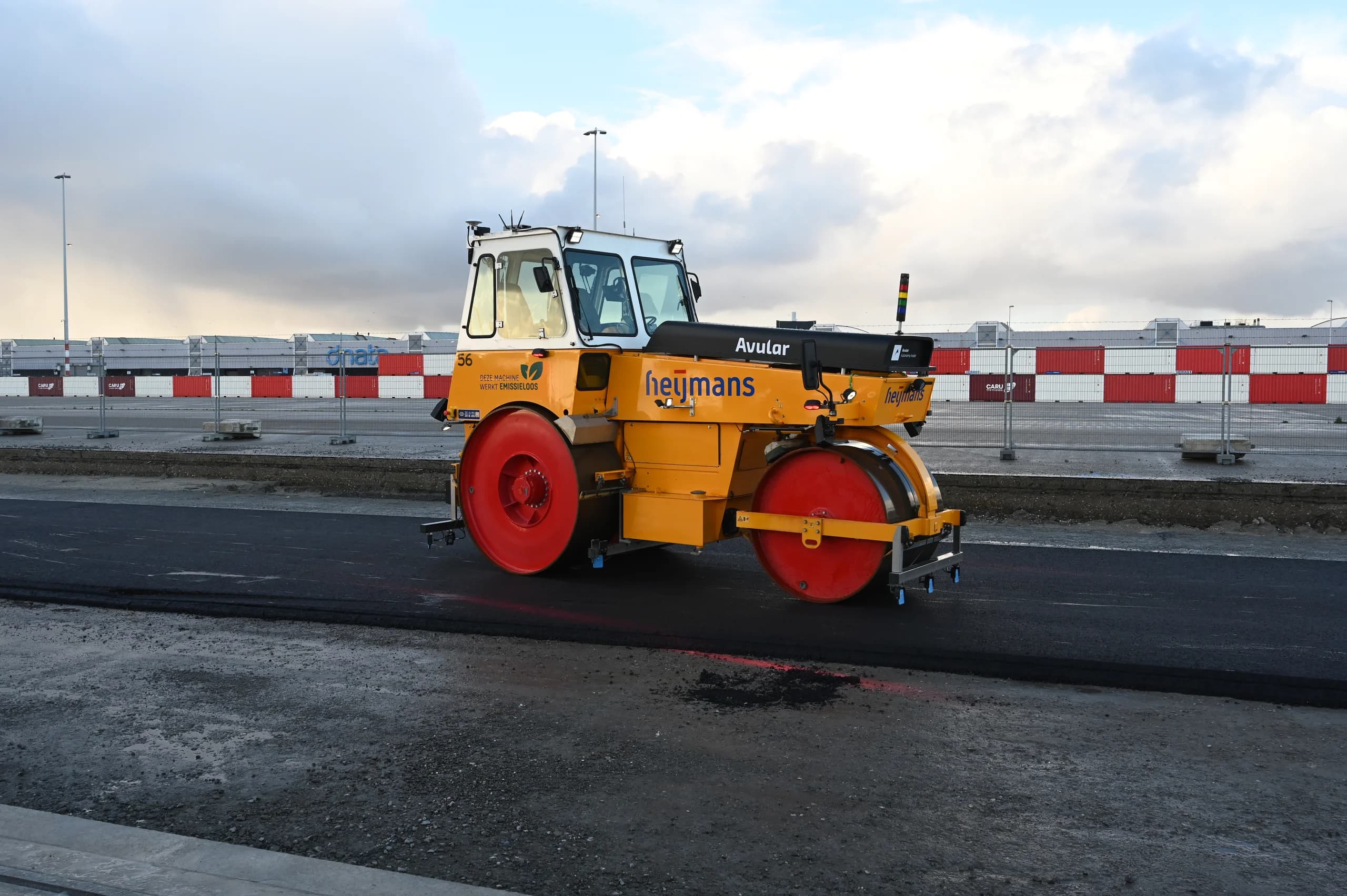
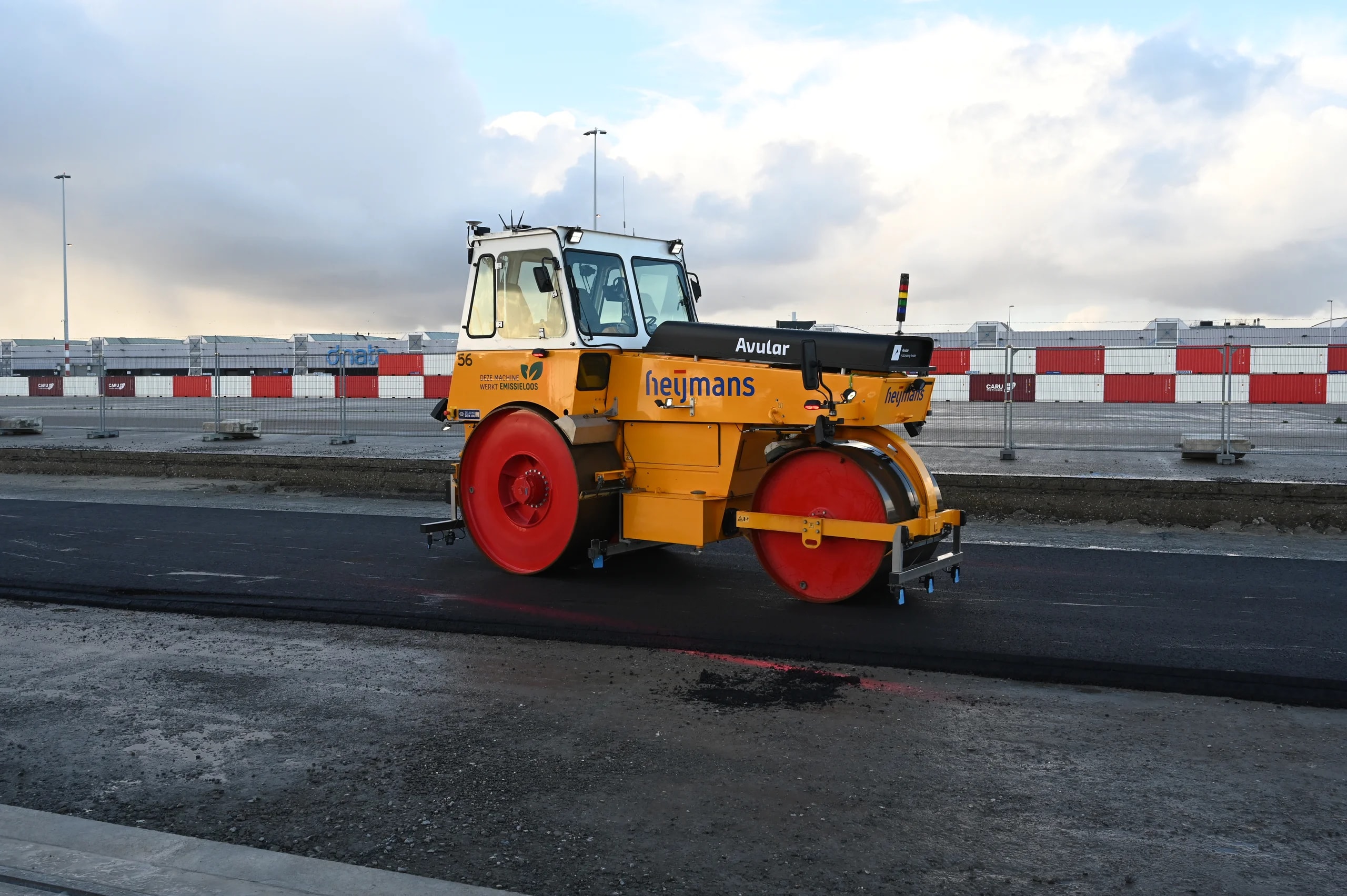
Autonomous Heijmans road roller at work

Autonomy for operators


Autonomy where hands fall short

Autonomize your machine

You don't need a new fleet to solve an operational constraint. We make your existing machine autonomous, or build a dedicated one, so output keeps flowing whether the pressure is labour, cost or safety.

What we offer


Meet demand despite operational constraints

Where autonomy delivers most

Autonomy fits best where work repeats, conditions are predictable and boundaries are clear. We start where the risk is manageable and the value is highest. Curious how a project runs, from first scan to full scale?

See our approach

Trusted by industry leaders


Heijmans

Heijmans

Skilled asphalt operators are increasingly hard to find. Avular is developing an autonomous, fully electric asphalt roller with Heijmans that follows a predefined path and handles compaction on its own. One operator prepares the job and supervises remotely, opening the door to overseeing multiple machines at once.

Farmertronics

Farmertronics

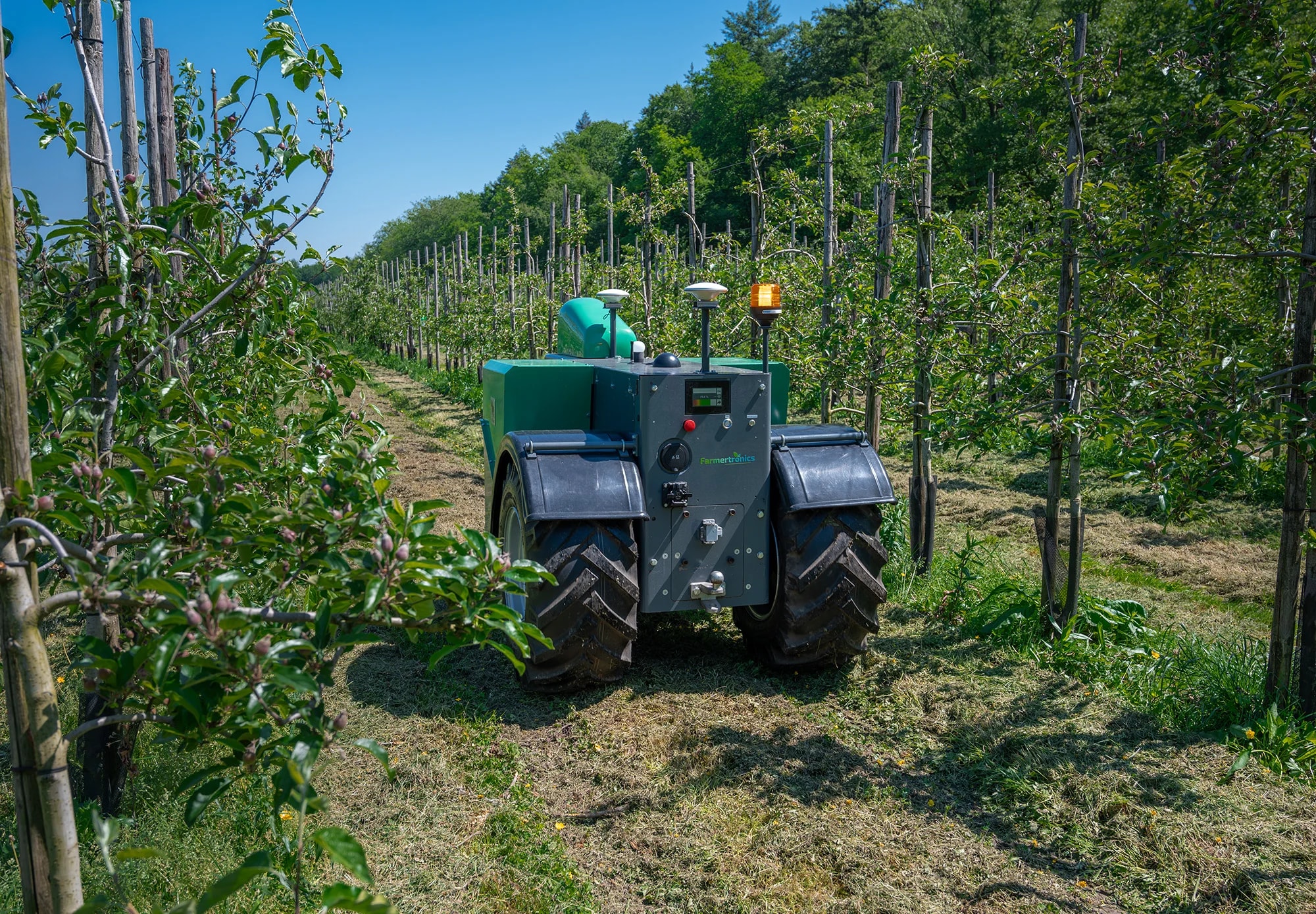
Together with Farmertronics, Avular brought autonomy to the eTrac, a fully electric, unmanned tractor built for repetitive orchard work like mowing, weeding and spraying. Using Avular's Applied Autonomy, the eTrac navigates a pre-planned route and runs these tasks on its own, freeing growers from long hours in the seat and easing the pressure of seasonal labor shortages.

Built and proven in the real world


500+
Robots deployed
100+
Specialists in control, AI, software and mechatronics
20+
Solutions realized
30+
Deployed in X countries
Client 1
DAF
Client 3
Client 4
SGL
Farmertronics

Frequently asked questions

Autonomous operations use machines or vehicles that can perform defined tasks with limited human intervention. This can include autonomous transportation, inspection, material handling, site maintenance and other repetitive mobile operations.

Tasks are generally good candidates for autonomy when they are repetitive, predictable and performed in a sufficiently structured environment. Examples include material transport, site inspection, mowing, road surface treatment, warehouse stock counting and other recurring mobile tasks.

In many cases, yes. Avular can integrate autonomy technology into existing machines rather than requiring an entirely new machine. The feasibility depends on the machine's control interfaces, sensors, safety requirements and operating environment.

Yes, autonomous machines can be designed to operate in environments where people are present. The required sensing, safety functions and operating concept depend on the specific application and applicable machinery safety requirements.

Yes, but the complexity increases as the environment becomes less predictable. The autonomy system may require more advanced perception, localization, planning and safety capabilities.

A good starting point is to define the task, machine, operating environment and desired business outcome. Together with Avular, an autonomy assessment or definition phase can then determine technical feasibility, architecture, expected ROI and the development roadmap.

Ready to start your autonomy journey?

Curious where applied autonomy could work for you? Talk to our engineers for an opportunity assessment.

Get in contact